

Thanks to their growing popularity, probiotics have showed up on most people’s radars. (Pro means good, so probiotics are simply beneficial bacteria.) After all, special yogurt products containing added probiotics are prominently displayed in the dairy case at the supermarket, touted as being helpful for improving digestion.
You may have passed these products by, thinking that if you don’t have a digestive disorder, you must not need to add probiotics to your diet. Perhaps unexpectedly, the reality is that you don’t have to experience abdominal upset to be in need of good bacteria.
 Why You (Yes, YOU) Need Probiotics
Ask yourself a few questions. In your lifetime, have you ever:
- taken prescription antibiotics?
- been vaccinated?
- used hormonal birth control?
- used artificial sweeteners?
- eaten a Standard American Diet (SAD) for an extended length of time (months or more)?
- had a period of sustained high stress and/or lack of sleep (have you ever been a college student, worked a night shift, been a parent of a small child)?
If you answered yes to any of those life events (especially to more than one), you can strongly suspect that your gut is in need of support.
Our bodies normally carry about 100 trillion bacteria in our intestines alone, plus countless organisms that reside elsewhere on and in our bodies. When good bacteria is keeping the bad stuff in check, we’re healthier, even when exposed to germs and viruses. Unfortunately, modern lifestyles, processed foods, and even carefully-chosen and appropriate antibiotics (which indiscriminately kill allbacteria) will diminish the population of good bacteria in the gut, and probiotics don’t just replace themselves.
Poor gut health can manifest in many ways that aren’t limited to common digestive symptoms such as gas, constipation, and bloating. Imbalanced gut flora can lead to seemingly unrelated health issues such as acne, low immunity and slow healing, joint pain and systemic inflammation. As the body’s “second brain,” gut problems can even lead to brain fog and behavior issues (especially in children).
Fermented foods are invaluable!
Introducing a variety of strains with a sufficient quantity of beneficial bacteria is crucial when rebuilding gut health. Although most traditionally-made fermented foods (such as homemade kefir or sauerkraut) can provide a large dose of beneficial probiotics, many clinicians advocate regular use of supplemental probiotics to ensure consistent amounts as well as a wide diversity of strains. Supplements also have the added appeal of convenience for those times when you just can’t get fermented foods on your plate. Restoring the gut with healthy probiotics gives the good guys a leg up and thus a step toward enhanced immunity and good health for you as well.
How to Choose a Probiotic Supplement
There are lots of options in the world of probiotics, so here are a few tips to cut through the fog and help you make a great choice to support your health.
Choose to buy from a company that offers full disclosure. Don’t let someone you don’t know decide what’s okay for you to put in your body. If they won’t share every ingredient with you, look elsewhere for someone who will.
Look for probiotics with a guaranteed potency through the expiration date. Bacteria are living organisms and probiotics have no effect if they are dead. The last thing you want to do is spend your money on capsules that may have been filled with living probiotics at one point, but were then allowed to languish and decay on the shelf (or worse, in a hot warehouse). Most probiotics will require refrigeration to stay at full potency; avoid anything that’s been stored at room temperature unless it is specifically formulated to be shelf-stable.
Choose the right blend of bacteria to help you meet your goals. Some strains are well suited for gut restoration, while others are fabulous at combating an upset stomach. Higher doses may be more helpful while actively working toward a balanced gut, and later a lower potency could be a great choice for daily maintenance.
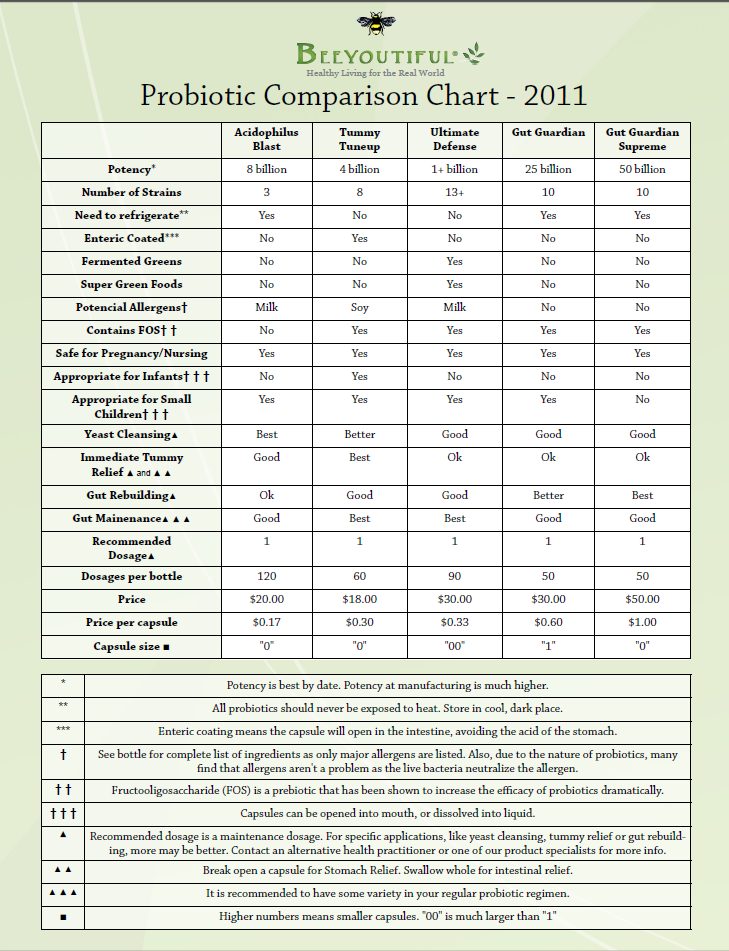
Beware of additives or filler ingredients. (This applies when choosing any supplement, not just probiotics.) Look for what’s NOT in there, too. If you’re avoiding common allergens, such as soy, gluten, or corn, be sure to read the label because those sneaky ingredients are frequently found in supplements too. Beware those sugar-laden yogurt options in the dairy case; sugar depresses the immune system and can easily cancel out the benefits of the probiotic ingredients.
When it comes to probiotics, as quality and quantity of the bacteria increase, so does the price tag. (There’s a simple reason: extra time and energy is required to culture and harvest higher quantities and more strains of bacteria.) It’s very tempting to cut corners on potentially expensive supplements, but this is not the time to shop the clearance bin! Make a conscious investment in your health by prioritizing the best, freshest, and strongest probiotics that your budget will allow.
Interested in learning more?
Watch this entertaining 5-minute video about how gut bacteria contribute to overall immunity. Here’s a longer article from one of our catalogs that covers why you might want to be wary of certain filler ingredients. Want to dig even deeper into the specifics of the digestive process and how to restore gut health? We invite you to watch a detailed 48-minute video produced by Nutritional Therapy Consultant, Jessica Bischof.
If you’re still curious about Beeyoutiful’s probiotics, let us answer your questions! Get in touch with us by commenting here, emailing customercare@beeyoutiful.com, or calling 877-623-3968. Get started on gut restoration and begin to enjoy the benefits of a healthier, happier gastrointestinal tract that’s well populated by the hordes of good bacteria that belong there!
Read the rest of our Immunity Boosters series here.


 articles.beeyoutiful.com
Leave a reply to Teresa Cancel reply